
Check Engine Light Before a North Idaho Road Trip?
When spring finally arrives in North Idaho, drivers start thinking about getting out on the road again. Long winter months give way to warmer weather, and suddenly people are planning weekend trips to Sandpoint, camping near Priest Lake, exploring forest service roads, or towing boats toward Lake Coeur d’Alene.

What Drivers in Rathdrum Should Know
For many drivers in Rathdrum, Hayden, Post Falls, and Coeur d’Alene, summer also means putting more miles on their vehicles than they did all winter.
But nothing interrupts road trip plans faster than seeing the check engine light suddenly appear on the dashboard.
It’s one of the most common warning indicators drivers experience, and unfortunately, it’s also one of the most misunderstood. Some drivers ignore it entirely, while others assume the worst and worry their vehicle is about to break down.
The truth is that a check engine light can mean a variety of things—some simple and inexpensive, others more serious if left unchecked.
Before heading out on a North Idaho road trip or off-road adventure, it’s worth understanding what that light could mean and why getting it inspected can save you time, money, and stress.
Planning a North Idaho Road Trip? Your Vehicle Works Harder Than You Think
Driving in North Idaho is very different from driving in major metro areas. The region’s terrain, elevation, and road conditions create unique demands on vehicles.
Many drivers in Rathdrum and the surrounding areas regularly travel to places like:
Priest Lake
Sandpoint
The Idaho Panhandle National Forest
Backcountry camping areas
Montana mountain passes
Remote fishing and hiking destinations
These trips often involve:
Long highway drives
Mountain climbs and descents
Gravel or dirt forest service roads
Towing boats, trailers, or campers
All of these conditions place additional stress on a vehicle’s engine, transmission, suspension, and cooling system.
If a warning light appears before a trip, it’s best to investigate it early rather than risk a breakdown miles away from the nearest repair shop.
What Your Check Engine Light Is Actually Telling You
The check engine light is part of your vehicle’s onboard diagnostic system. Modern vehicles constantly monitor dozens of sensors throughout the engine and drivetrain.
When one of those sensors detects a problem or abnormal reading, the vehicle’s computer stores a diagnostic trouble code and triggers the check engine light.
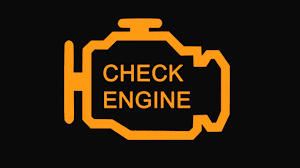
Common causes include:
Loose or faulty gas cap
Oxygen sensor failure
Ignition coil issues
Mass airflow sensor problems
Catalytic converter inefficiency
Fuel system problems
Transmission communication errors
Some of these issues are minor and inexpensive to repair. Others can lead to more serious mechanical problems if ignored.
The key is identifying the problem early through a professional diagnostic scan, which reads the code stored in the vehicle’s computer and helps determine the cause of the warning light.
This should be done at a professional mechanic shop, such as C&S Automotive, as typical diagnostic scans offered at parts stores will give you the code, but the staff member may not necessarily have the expertise to say exactly what is wrong or how to fix it. Another thing to consider: if a mechanic needs to address the issue, they will need to diagnose it and have the code on file.
They won't rely on your description alone and will need to diagnose the code themselves. If you go to a parts store to scan, they typically clear the code, which can delay important repairs. Lastly, if you have a warranty, to get proper coverage, they will require that a mechanic shop document the error code before coverage is accepted.
Why Ignoring a Check Engine Light Before a Road Trip Is Risky
Drivers sometimes assume that if their vehicle seems to run normally, the warning light isn’t a major concern. Unfortunately, that assumption can lead to bigger issues later.
In North Idaho, the risks are even greater because many popular destinations are far from repair services.
Imagine experiencing a mechanical issue while driving:
Between Rathdrum and Sandpoint
On forest roads near Priest River
In remote camping areas near the Montana border
Breakdowns in these areas can mean:
Long tow distances
Delayed travel plans
Expensive emergency repairs
Small issues such as sensor failures, ignition problems, or airflow issues can sometimes worsen under heavy engine loads, such as climbing mountain grades or towing a trailer.
That’s why it’s always recommended to have warning lights inspected before heading out on a long drive.
Transmission Warning Signs Drivers Should Never Ignore
One of the concerns that sometimes triggers a check engine light is related to the transmission system.
Many drivers assume that transmission warnings automatically mean a complete transmission replacement, which can be an expensive repair.
However, that’s not always the case.
In many situations, early detection can prevent larger problems.
Common transmission warning signs include:
Slipping between gears
Delayed shifting
Rough or jerking gear changes
Burning smells while driving
Sudden spikes in engine RPM
Dark or burnt transmission fluid
Sometimes these symptoms are caused by issues such as:
Low or degraded transmission fluid
Faulty shift solenoids
Sensor communication problems
Minor internal component wear
When caught early, these issues can often be addressed with maintenance or targeted repairs, preventing more serious damage later.
Ignoring transmission symptoms, especially before long drives or off-road trips, can increase the risk of major mechanical failure.
Why Trucks, SUVs, and Off-Road Vehicles Work Harder in North Idaho
North Idaho is full of drivers who rely on trucks, SUVs, and off-road capable vehicles.
These vehicles are commonly used for:
Pulling boats to the lake
Towing campers or trailers
Driving mountain roads
Exploring forest trails
Hauling gear for outdoor recreation
While these vehicles are built for tougher conditions, they also experience greater mechanical strain.
Heavy loads and off-road conditions can increase wear on:
Transmissions
Differentials
Suspension components
Cooling systems
Brake systems
Drivers who regularly explore the outdoors benefit from periodic inspections to ensure their vehicles remain reliable for the next adventure.
A Simple Pre-Trip Inspection Can Prevent Major Problems
Before heading out on a long road trip, a quick inspection can identify potential problems before they turn into breakdowns.
Professional pre-trip inspections typically include checking:
Engine diagnostics
A diagnostic scan helps determine whether a check engine light indicates a minor issue or a more serious concern.
Transmission fluid condition
Dark, burnt, or low transmission fluid can indicate the need for service.
Brake system
Mountain driving and towing can put extra strain on brakes.
Tires and tire pressure
Proper tire pressure improves safety and fuel efficiency, especially during long drives.
Cooling system
Vehicles climbing mountain grades rely heavily on their cooling systems.
Battery condition
North Idaho winters can weaken batteries, and summer travel often reveals batteries that are nearing the end of their lifespan.
Taking care of these items before a trip can dramatically reduce the chances of unexpected problems.
Why Local Mechanics Understand North Idaho Vehicles Better
Choosing a local, family-owned repair shop can also make a difference in how well your vehicle is maintained.
Mechanics who work in the Rathdrum and Coeur d’Alene area understand the specific conditions local vehicles experience, including:
Cold winter starts
Road salt and corrosion
Gravel road wear
Mountain driving conditions
Seasonal driving patterns
Because of this, local technicians can often spot potential issues that drivers might not notice until they become serious.
Building a relationship with a trusted mechanic helps ensure your vehicle stays reliable year-round.

Prepare Your Vehicle for Your Next North Idaho Adventure
Whether you're planning a camping trip, a weekend at the lake, or a long summer road trip, your vehicle plays an important role in getting you there safely.
If your check engine light has recently appeared, or if your vehicle is showing signs of transmission trouble or performance changes, it’s best to have it inspected before putting extra miles on the road.
At C&S Automotive, our team helps drivers throughout:
Rathdrum
Coeur d’Alene
Hayden
Post Falls
diagnose warning lights, perform preventative maintenance, and prepare vehicles for the driving conditions unique to North Idaho.
If your dashboard warning lights are on or you want peace of mind before your next trip, scheduling a diagnostic inspection can help ensure your vehicle is ready for the road ahead.
Keep Your Car On The Road With C&S Automotive
If you need help with pre-trip services in Kootenai County, our family‑owned team at C&S Automotive is here to assist. We offer comprehensive services for individuals and families in Rathdrum, Post Falls, Hayden, and Coeur d’Alene. Call (208) 609‑9256 or book your appointment today, and let our local experts keep your vehicles reliable year‑round.
Frequently Asked Questions Around Vehicle Maintenance
-
Sometimes it can be safe for short distances, but it depends on the cause. A flashing check engine light usually indicates a serious issue that should be inspected immediately.
-
Yes. A loose or damaged gas cap is one of the most common causes of a check engine light.
-
Yes. Many modern transmissions communicate with the engine control module, so transmission sensor issues can trigger a warning light.
-
Yes. A pre-trip inspection can identify small issues before they become major problems during long drives.
