
Why Your Car Starts Acting Strange in Spring and Summer in North Idaho

Every year across Rathdrum, Coeur d’Alene, Hayden, and Post Falls, drivers experience the same thing when winter finally ends.
The weather warms up. Snow disappears. People begin planning road trips, camping weekends, and lake days across North Idaho.
Then suddenly something feels… off.
Maybe the steering wheel starts shaking on the highway.
Maybe there’s a strange burning smell during a long drive.
Maybe the engine temperature starts creeping higher than usual.
These types of vehicle symptoms often appear right as spring and summer driving begins, and they’re more common than most drivers realize.
North Idaho winters put significant stress on vehicles. Between freezing temperatures, potholes, road salt, and short winter commutes, many mechanical issues stay hidden until warmer weather and longer drives expose them.
Understanding what these symptoms might mean can help drivers prevent small issues from becoming major repairs.
If you ever notice unusual behavior from your vehicle, it’s always a good idea to start by reviewing common warning signs on the Vehicle Symptoms page at C&S Automotive, which outlines the most common issues drivers experience.
Why Vehicles Show New Symptoms When the Weather Warms Up
During winter in North Idaho, many vehicles spend most of their time on:
Short daily commutes
Slow city driving
Cold starts and quick stops
Once spring arrives, driving habits change dramatically.
Drivers start making longer trips to places like:
Sandpoint
Priest Lake
Lake Coeur d’Alene
The Idaho Panhandle National Forest
Mountain trails and campgrounds
Longer drives, highway speeds, and mountain elevation changes place more strain on the engine, suspension, brakes, and transmission.
Problems that were minor during winter can suddenly become much more noticeable.
Below are some of the most common symptoms drivers begin noticing once warmer weather arrives.
Steering Wheel Shaking at Highway Speeds
One of the most common complaints drivers notice during spring and summer is a steering wheel vibration when driving at highway speeds.
Often, this issue appears during the first long trip after winter.
Common causes include:
Tire imbalance
Bent wheels from winter potholes
Worn suspension components
Wheel alignment issues
North Idaho roads often develop potholes during freeze-thaw cycles in winter. Hitting even one large pothole can slightly bend a wheel or knock the vehicle out of alignment.
At low speeds, the issue may not be noticeable, but once you reach highway speeds on I-90 or Highway 41, the vibration becomes obvious.
If you notice steering vibration, it’s worth scheduling an inspection before it worsens. Issues like this are often addressed during routine auto repair and maintenance services.
A Burning Smell While Driving
A burning smell is another symptom drivers sometimes notice during spring road trips.
This can happen after longer drives or when vehicles begin pulling heavier loads such as boats, trailers, or campers.
Possible causes include:
Oil leaks are dripping onto hot engine components
Transmission fluid leaks
Overheated brake components
Slipping belts or hoses
If a burning smell occurs consistently while driving, it should be inspected as soon as possible to prevent further damage.
In some cases, the issue may involve the drivetrain, which is why it’s important to have a shop experienced in transmission diagnostics and repair evaluate the vehicle.
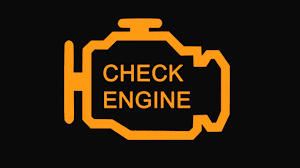
Engine Overheating During Warmer Weather
Many drivers are surprised when their vehicle begins to overheat in spring or summer, even though it ran fine all winter.
This happens because cooling systems work much harder when outside temperatures rise.
Possible causes include:
Low coolant levels
Radiator leaks
Thermostat failure
Cooling fan problems
Water pump issues
Long drives to destinations like Sandpoint or Priest Lake can push an already weak cooling system past its limits.
Overheating should never be ignored. Severe overheating can lead to major engine damage if left unresolved.
Routine inspections and preventative maintenance help ensure cooling systems are functioning properly before summer travel begins.
Clicking or Clunking When Turning
If you hear a clicking, popping, or clunking sound when turning, it could indicate wear in the suspension or drivetrain components.
Common causes include:
Worn CV joints
Failing axle components
Suspension wear
Steering linkage issues
Drivers who frequently explore forest service roads or off-road trails may experience faster wear on suspension components due to rough terrain.
This is particularly important for vehicles commonly serviced at C&S Automotive, such as:
Each of these vehicle types exhibits unique wear patterns depending on how it is driven.
Poor Fuel Economy After Winter
Another common symptom drivers notice in spring is reduced fuel efficiency.
There are several possible reasons for this change.
Winter driving habits often involve:
Short trips
Idling during warm-ups
Cold engines operate less efficiently
However, mechanical issues can also contribute to poor fuel economy.
Possible causes include:
Dirty air filters
Worn spark plugs
Oxygen sensor problems
Tire pressure changes
Fuel system inefficiencies
These issues may trigger dashboard warnings or appear as subtle performance changes.
If your vehicle suddenly seems to require more fuel than usual, a diagnostic inspection can help determine the cause.
Why Spring Is the Best Time for a Vehicle Inspection
Spring is the ideal time to inspect vehicles for problems caused by winter driving conditions.
A seasonal inspection can help identify:
Suspension wear from potholes
Brake wear from winter driving
Tire damage
Fluid leaks
Cooling system issues
Transmission concerns
Catching these issues early helps ensure your vehicle is ready for the long drives and outdoor adventures that make North Idaho summers so enjoyable.
Drivers who regularly travel to mountain destinations or tow recreational equipment benefit especially from preventative maintenance.
Diagnosing Vehicle Symptoms Early Saves Money
One of the biggest advantages of diagnosing vehicle symptoms early is preventing more extensive and costly repairs later.
For example:
A small coolant leak can eventually cause severe engine overheating.
Worn brake pads can damage rotors if left unaddressed.
Minor transmission issues can escalate into major drivetrain failures if ignored.
Early diagnostics enable technicians to identify the root cause of symptoms and recommend the most efficient repair.
Reliable Vehicle Diagnostics for Drivers in Rathdrum and North Idaho
Investing in routine maintenance isn’t just about avoiding breakdowns – it can improve every aspect of your operation. Well‑maintained vehicles If your vehicle has started behaving differently as the weather warms up, it’s worth having the issue inspected before it turns into a larger problem.
C&S Automotive provides diagnostic and repair services for drivers throughout:
Rathdrum
Coeur d’Alene
Hayden
Post Falls
Whether you're noticing unusual noises, warning lights, vibrations, or performance changes, experienced technicians can help identify the issue and recommend the appropriate repair.
Seasonal inspections are one of the best ways to ensure your vehicle remains reliable for road trips, camping adventures, and everyday driving across North Idaho.
Frequently Asked Questions Around Vehicle Maintenance
-
This is often caused by tire balance issues, bent wheels from potholes, or wheel alignment problems.
-
Burning smells can result from leaking fluids, overheated brakes, or worn belts. These issues should be inspected promptly.
-
Cooling systems work harder in warm weather. Weak components that survived the winter may fail as temperatures rise.
-
Yes. Winter conditions in North Idaho can cause hidden wear that becomes noticeable during spring and summer driving.
